

Occupational Therapy

Occupational therapy supports children to take part in the everyday activities that are important to them — such as getting dressed, playing with friends, participating at school, or managing emotions throughout the day.
Emma works with children across home, kindergarten, school and community settings. Therapy sessions are tailored to each child’s strengths, interests and goals, using evidence-informed approaches and playful, meaningful activities.
Individual paediatric occupational therapy sessions are available as:
Home visits
School or kindergarten sessions
Telehealth
Assessment Services
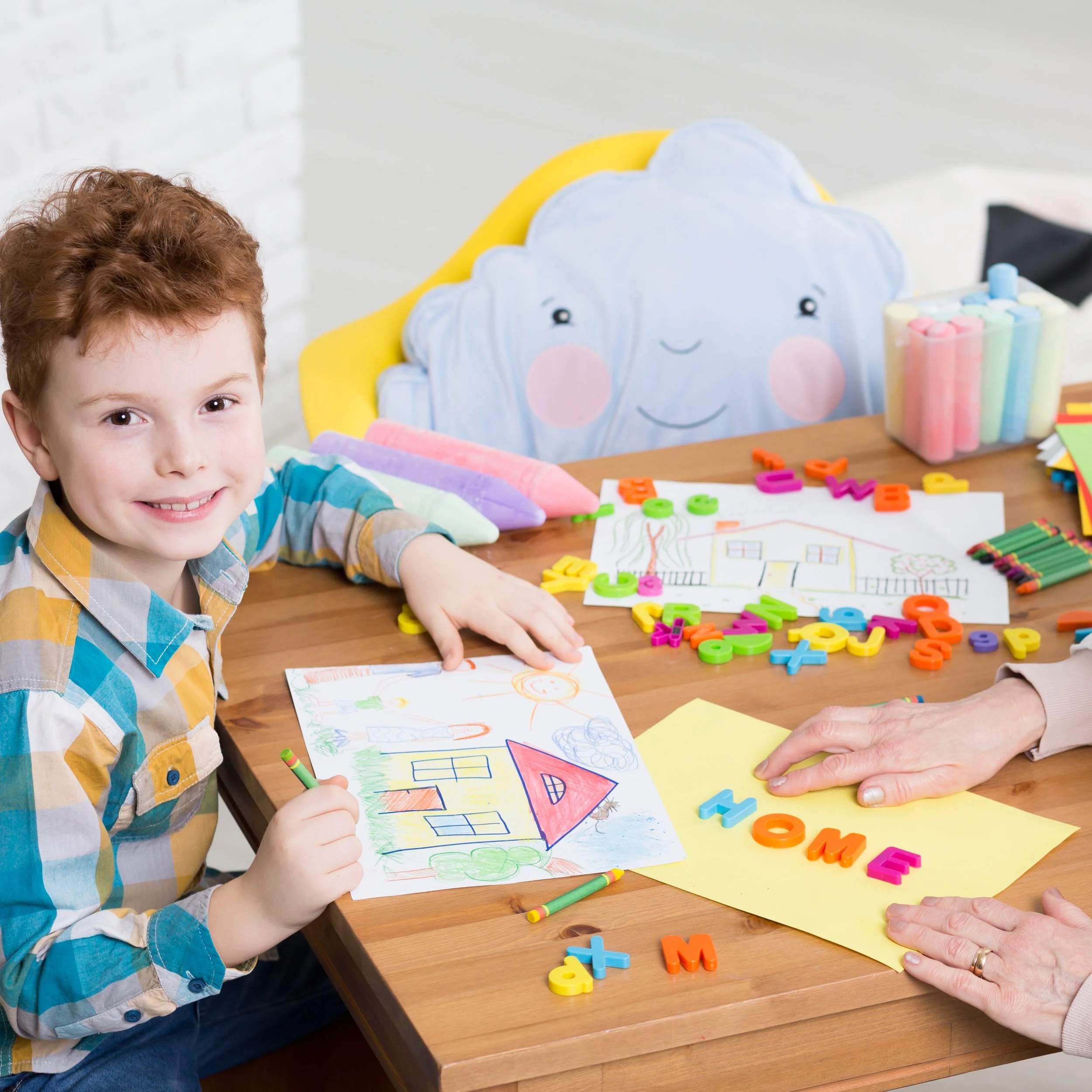
Assessments can help build a clearer understanding of a child’s strengths, interests and areas of need across everyday activities at home, school and in the community. Assessment sessions may include observation, play-based activities, standardised assessment tools and discussion with parents, caregivers and educators.
Emma offers the following formal assessments:
Fine Motor Skills Assessment
Explores hand strength, coordination and control used for everyday tasks such as drawing, writing, cutting and self-care activities.Handwriting Assessment (including Beery VMI)
Looks at handwriting skills and visual-motor integration, including how visual information is used to guide fine motor tasks related to written work.Gross Motor Skills Assessment
Assesses movement skills such as balance, coordination, posture and overall body control used in play and everyday activities.Sensory Processing Assessment (Sensory Profile 2 and/or clinical observations)
Gathers information about how a child responds to and manages sensory input across different environments, using standardised questionnaires and clinical observation where appropriate.ROSI (Record of Student Information)
An assessment tool used in Victorian schools to support the collection of information related to a student’s functional participation and eligibility for additional educational funding and supports.
Assessment findings may be used to inform therapy planning, goal-setting and written reports, where appropriate, and are discussed collaboratively with families and relevant educators.